Professional Lighting Design Guide
This guide provides structured lighting design principles for stage lighting, laser systems, and integrated event production setups. It helps designers and engineers create balanced, immersive and technically feasible lighting environments for concerts, festivals, clubs, and large-scale productions.
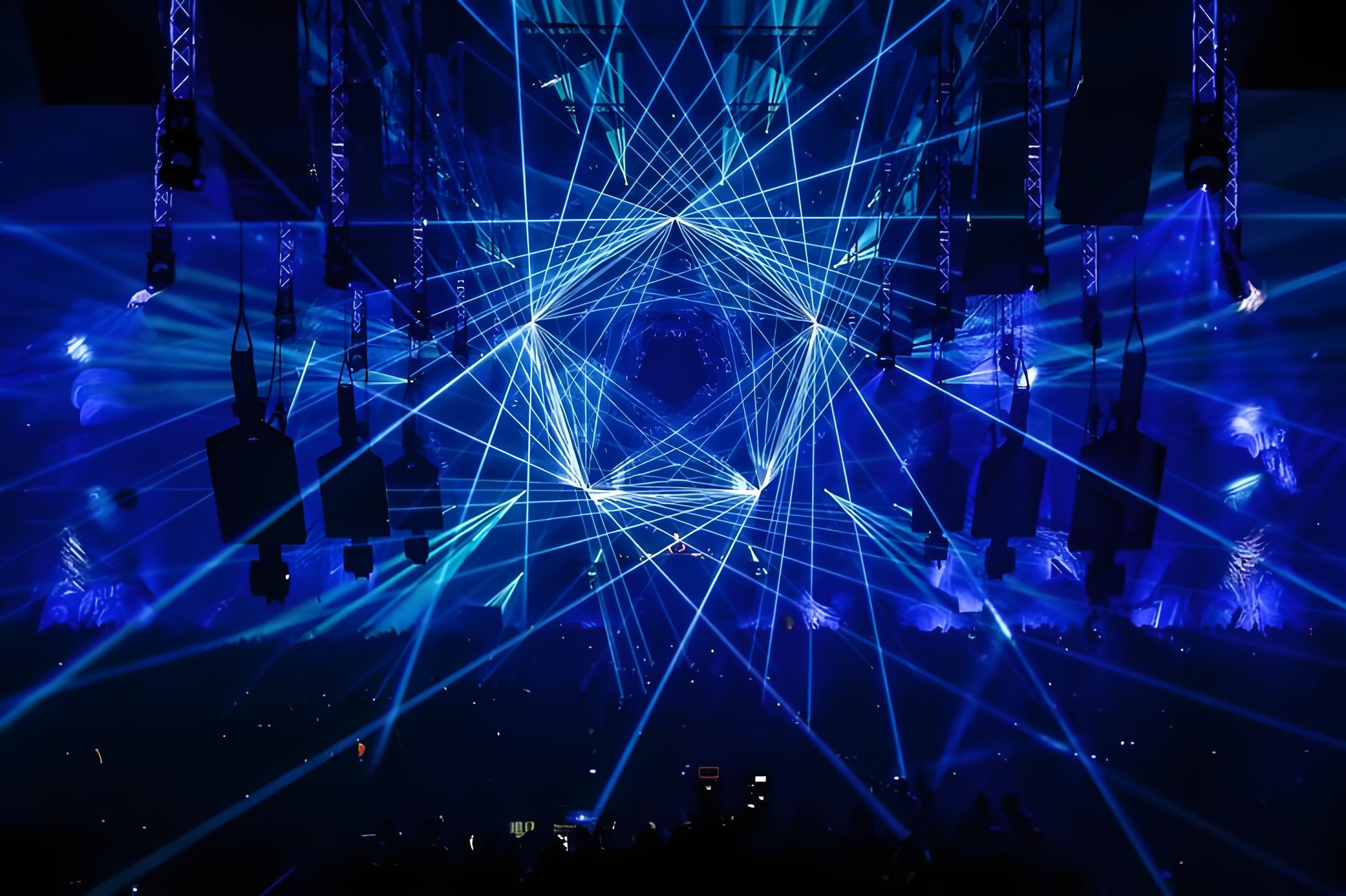
Lighting Design Principles
Five core principles for professional lighting design
Visual Hierarchy
- Distinguish primary and fill lighting
- Clear stage focal point
- Avoid conflicting light effects
Spatial Depth
- Foreground, midground, background layering
- Laser and lights create spatial structure
- Enhance immersive experience
Dynamic Movement
- Light rhythm synchronized with music
- Scanning, rotation, strobe design
- Amplify live energy
Color Harmony
- Balanced RGB ratios
- Avoid color overload
- Maintain dominant color scheme
System Synchronization
- Laser + moving head + control system integration
- DMX / ArtNet / MA system compatibility
Stage Layout Recommendations
Standardized placement and configuration for optimal lighting coverage
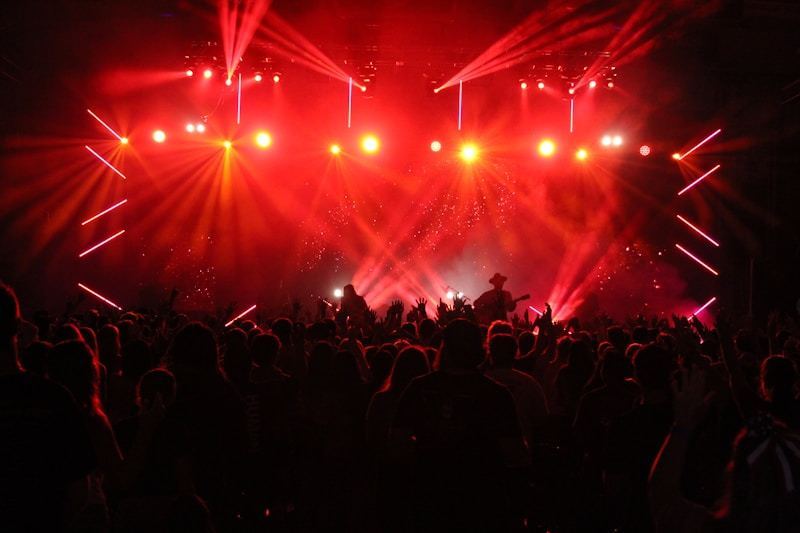
Main Stage Lighting Layout
- Centralized key lighting area
- Balanced front fill lighting
- Avoid beam obstruction
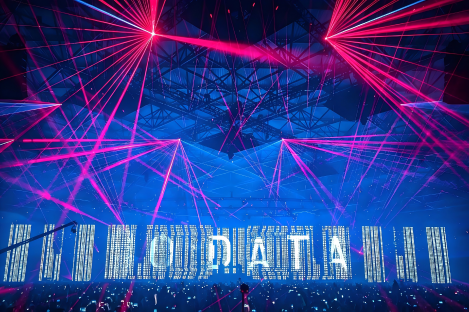
Laser System Placement
- Elevated rear installation
- Safe projection angles
- Full venue visual coverage
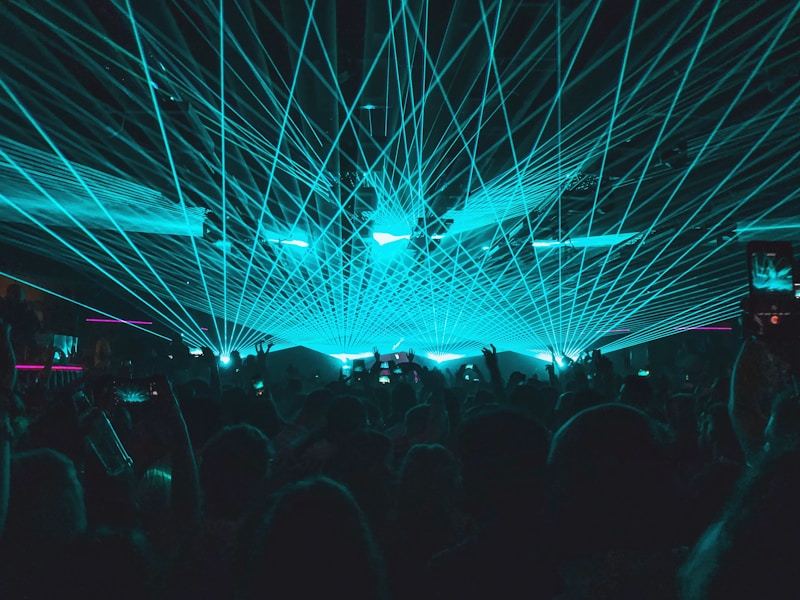
Audience Lighting Design
- Scan coverage over audience area
- Control intensity to avoid glare
- Enhance interactive experience
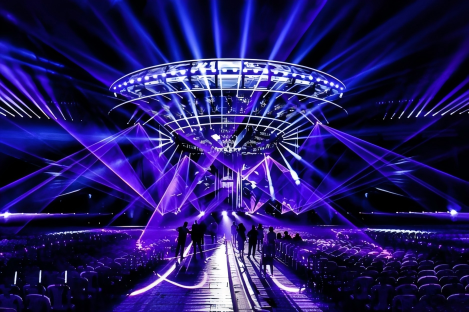
Outdoor Large Event Setup
- Multi-point light coordination
- Large-scale spatial coverage
- Waterproof and structural safety design
System Integration Guide
Technical reference for integrating lighting, laser and control systems
Control System Architecture
- DMX512 control protocol
- ArtNet network control
- MA Lighting / Hog / Avolites compatibility
Laser Synchronization
- Audio sync mode
- Timecode control
- Beat-triggered system
Multi-device Coordination
- Lighting + laser + effects linkage
- Unified control protocol
- Centralized console management
Step-by-Step Design Process
A structured five-stage workflow for professional lighting design
Requirement Analysis
- Venue dimensions
- Event type
- Budget range
System Planning
- Light type selection
- Laser power planning
- Control system design
Layout Design
- Stage structure layout
- Beam angle planning
- Installation point design
Simulation Testing
- Software simulation
- Effect testing
- Adjustment and optimization
On-site Adjustment
- Field installation and tuning
- Angle optimization
- Effect calibration
Design Mistakes to Avoid
Common pitfalls in stage lighting design and how to prevent them
Need Professional Design Support?
Our technical team can assist in full lighting system design, including laser configuration, stage layout planning, and control system integration.